
Based on the answers you provided, your responses most closely align with the profile of a balanced investor.

Balanced investors are typically looking to grow their wealth over time, while maintaining a level of stability in how their investments perform.
They understand that markets will move and that some short-term fluctuations are normal, but prefer a more measured approach rather than taking on higher levels of risk in pursuit of maximum returns.
This profile often reflects a preference for consistency, diversification, and a long-term mindset, rather than reacting to short-term market movements.
.svg)
A balanced portfolio generally combines growth assets like shares with defensive assets such as bonds and cash.
This mix aims to provide more consistent returns over time, while still allowing for long-term capital growth.
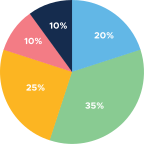
Balanced portfolios typically include a mix of growth and defensive assets.
Growth assets help drive long-term returns, while defensive assets aim to reduce volatility and provide stability during market fluctuations.
Balanced portfolios can still experience market ups and downs, but generally aim to reduce the severity of declines compared to higher-risk portfolios.
Over time, they are designed to provide a smoother investment journey while still delivering meaningful growth.

Balanced investors are typically focused on building wealth steadily over time, without taking on excessive risk.
They understand markets will move, but prefer a more controlled and diversified approach to investing.
This result is based solely on your responses to the risk profile questionnaire.
It is provided as general information only and does not take into account your personal financial situation, objectives, or needs.
This is not financial advice and should not be relied on when making investment decisions.
Before taking any action, you should consider seeking personal financial advice tailored to your individual circumstances.

This portfolio aims to provide steady long-term returns by blending defensive assets with growth investments, suitable for those with a medium term investment horizon.
It combines income-generating securities with a meaningful allocation to equities to capture growth opportunities while managing risk.
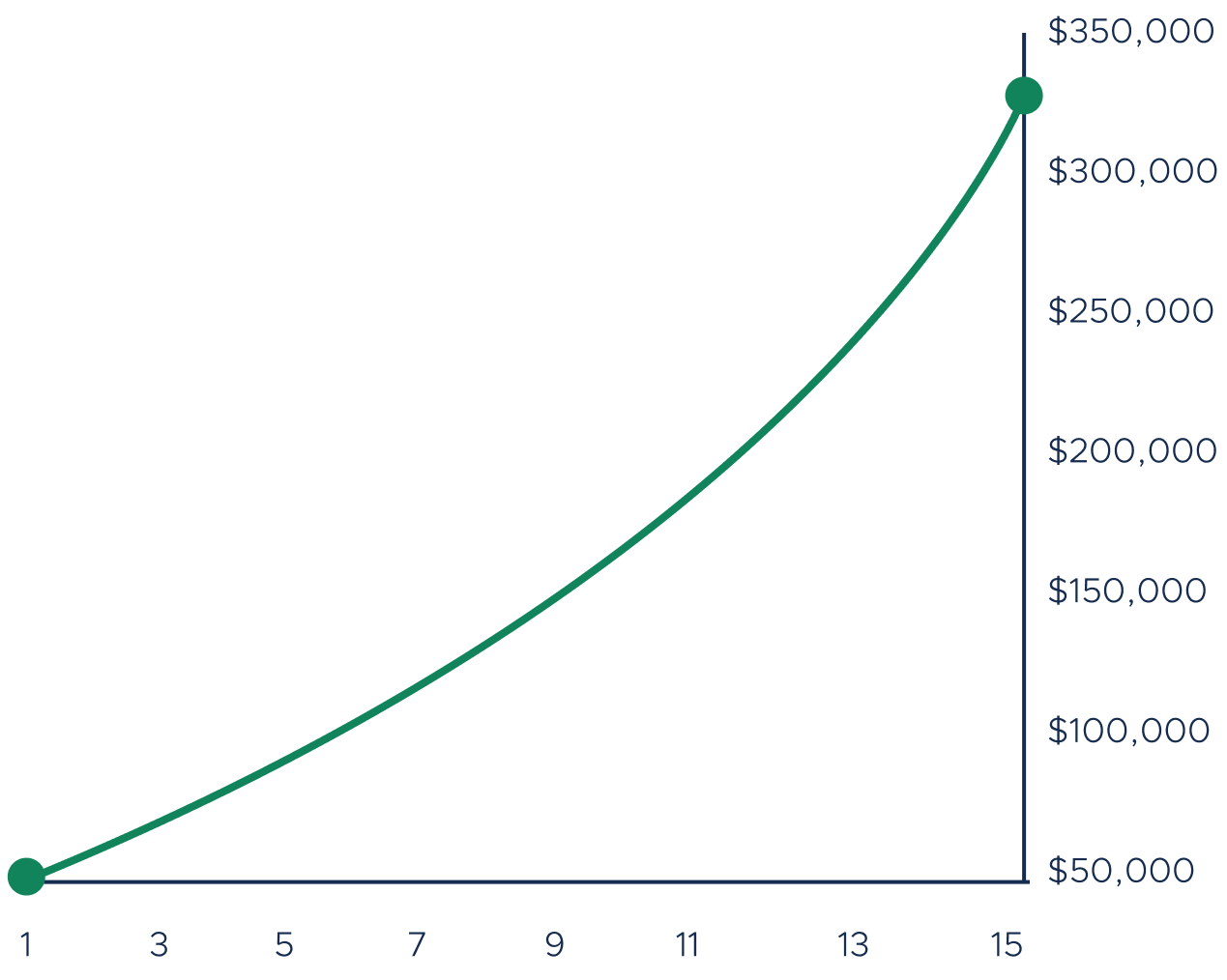
This example is for illustrative purposes only and assumes a consistent rate of return. Actual outcomes will vary depending on market conditions.
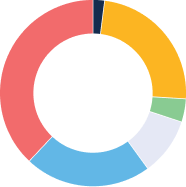


This portfolio aims to provide steady long-term returns by blending defensive assets with growth investments, suitable for those with a medium term investment horizon.
It combines income-generating securities with a meaningful allocation to equities to capture growth opportunities while managing risk.
This example is for illustrative purposes only and assumes a consistent rate of return. Actual outcomes will vary depending on market conditions.
Based on the answers you provided, your responses most closely align with the profile of a conservative investor.

Conservative investors are typically focused on preserving capital while achieving steady, modest growth over time.
They prefer a more stable investment experience and are generally less comfortable with significant fluctuations in value, even if that means accepting lower long-term returns.
This profile often reflects a preference for stability, income, and capital preservation, with a strong focus on reducing downside risk.
Investments aligned with a conservative profile typically include a higher allocation to defensive assets such as fixed income and cash, with a smaller exposure to growth assets like shares.
This approach aims to provide more consistent returns and reduce the impact of market volatility over time.
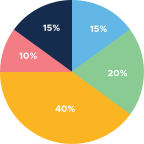
Balanced portfolios typically include a mix of growth and defensive assets.
Growth assets help drive long-term returns, while defensive assets aim to reduce volatility and provide stability during market fluctuations.
Conservative investments generally experience smaller fluctuations in value, but may deliver lower long-term returns compared to more growth-focused profiles.
Over time, they are designed to prioritise capital preservation while still providing modest growth.
Conservative investors are typically focused on protecting their wealth while growing it gradually over time.
They prefer a more predictable and controlled investment experience, even if it means lower potential returns.
This result is based solely on your responses to the risk profile questionnaire.
It is provided as general information only and does not take into account your personal financial situation, objectives, or needs.
This is not financial advice and should not be relied on when making investment decisions.
Before taking any action, you should consider seeking personal financial advice tailored to your individual circumstances.

This portfolio is designed to prioritise capital preservation and generate reliable income, with minimal exposure to market volatility and lower-risk assets as its core.
It maintains a strong allocation to fixed-income securities and cash for stability and income, with modest exposure to equities and real assets to support long-term growth and inflation protection.
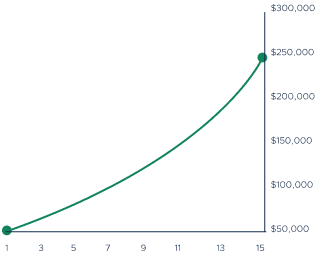
This example is for illustrative purposes only and assumes a consistent rate of return. Actual outcomes will vary depending on market conditions.
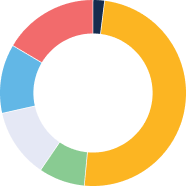
This portfolio is designed to prioritise capital preservation and generate reliable income, with minimal exposure to market volatility and lower-risk assets as its core.
It maintains a strong allocation to fixed-income securities and cash for stability and income, with modest exposure to equities and real assets to support long-term growth and inflation protection.
This example is for illustrative purposes only and assumes a consistent rate of return. Actual outcomes will vary depending on market conditions.
Based on the answers you provided, your responses most closely align with the profile of a growth investor.

Growth investors are typically focused on building wealth over the long term through higher exposure to growth assets such as shares.
They are comfortable with market fluctuations and understand that short-term volatility is part of achieving stronger long-term returns.
This profile reflects a preference for capital growth, long-term investing, and higher return potential.
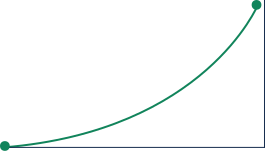
Investments aligned with a growth profile typically include a higher allocation to shares and growth assets, with a smaller allocation to defensive assets.
This approach aims to maximise long-term returns, while accepting greater short-term fluctuations.
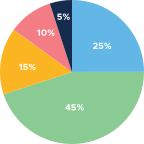
Growth investors are typically exposed to a higher proportion of growth assets, which aim to drive long-term returns.
Defensive assets are still included to provide some stability during periods of market volatility.
Growth investments can experience larger fluctuations in value over the short term, but have historically delivered stronger returns over longer time periods.
Investors adopting this profile typically accept this trade-off in pursuit of higher long-term outcomes.
Growth investors are typically focused on increasing their wealth over time and are comfortable accepting periods of market volatility along the way.
They understand that long-term investing requires patience and a willingness to stay invested through market cycles.
This result is based solely on your responses to the risk profile questionnaire.
It is provided as general information only and does not take into account your personal financial situation, objectives, or needs.
This is not financial advice and should not be relied on when making investment decisions.
Before taking any action, you should consider seeking personal financial advice tailored to your individual circumstances.
.svg)
This portfolio aims to achieve strong returns over the long term by emphasizing equity exposure while maintaining a measured allocation to defensive assets.
It provides broad global and domestic market exposure while incorporating risk management through diversification.
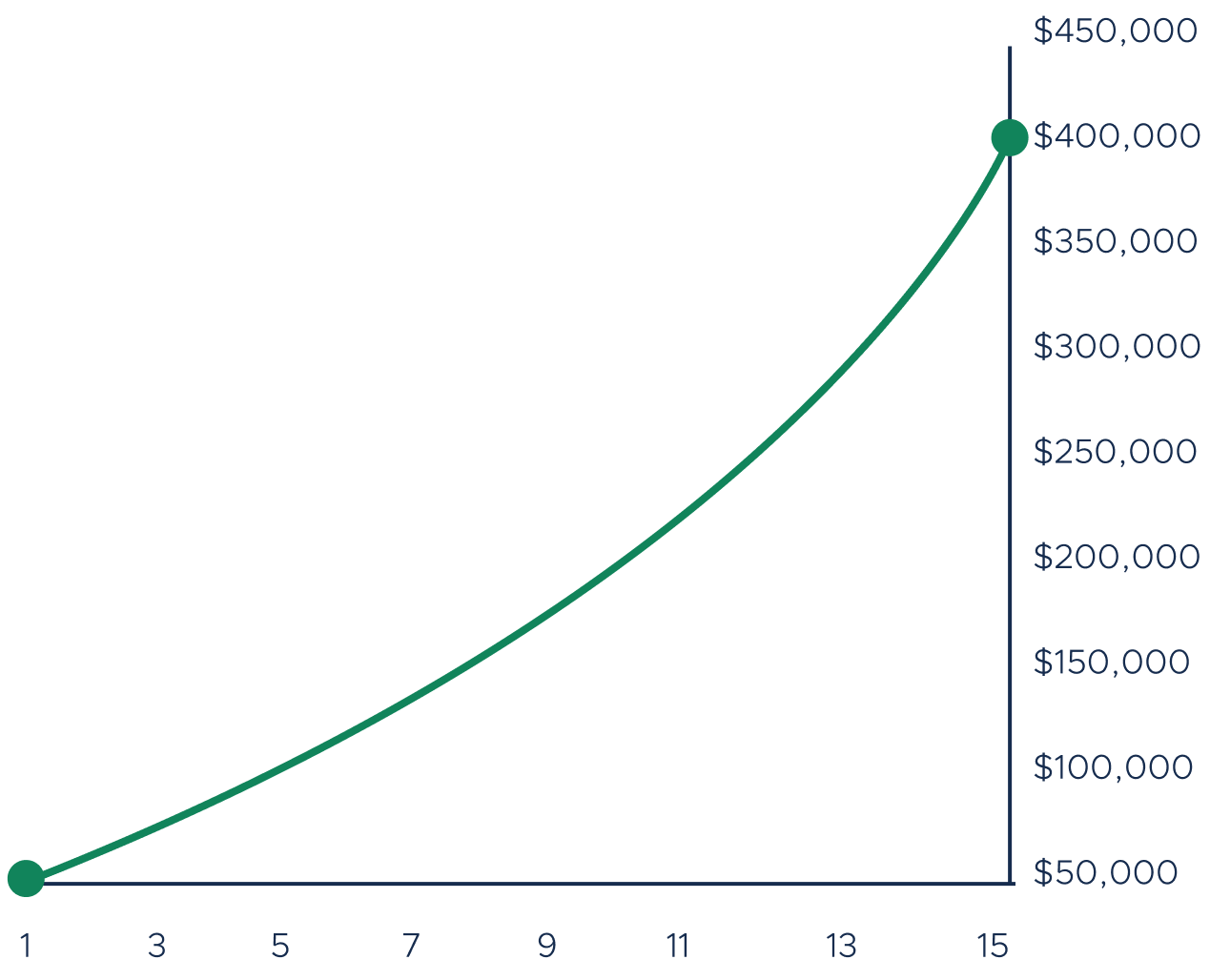
This example is for illustrative purposes only and assumes a consistent rate of return. Actual outcomes will vary depending on market conditions.
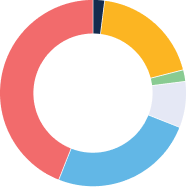
This portfolio aims to achieve strong returns over the long term by emphasizing equity exposure while maintaining a measured allocation to defensive assets.
It provides broad global and domestic market exposure while incorporating risk management through diversification.
This example is for illustrative purposes only and assumes a consistent rate of return. Actual outcomes will vary depending on market conditions.
Based on the answers you provided, your responses most closely align with the profile of a high growth investor.
High growth investors are primarily focused on maximising long-term returns and are comfortable with significant market volatility.
They understand that investments may experience large short-term movements, but accept this in pursuit of higher long-term gains.
This profile reflects a strong preference for maximum growth and long-term investing.
Investments aligned with a high growth profile typically include a very high allocation to growth assets, with minimal exposure to defensive assets.
This approach aims to maximise long-term returns, but may result in significant short-term volatility.
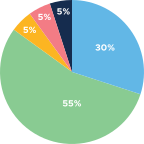
Balanced portfolios typically include a mix of growth and defensive assets.
Growth assets help drive long-term returns, while defensive assets aim to reduce volatility and provide stability during market fluctuations.
High growth investments can experience significant short-term fluctuations, including larger declines during market downturns.
However, over longer periods, they aim to deliver the highest potential returns.
High growth investors are typically focused on maximising wealth over time and are willing to accept substantial short-term volatility.
They take a long-term view and prioritise return potential over stability.
This result is based solely on your responses to the risk profile questionnaire.
It is provided as general information only and does not take into account your personal financial situation, objectives, or needs.
This is not financial advice and should not be relied on when making investment decisions.
Before taking any action, you should consider seeking personal financial advice tailored to your individual circumstances.

This portfolio focuses on high-performing sectors and dynamic market opportunities to minimize compounding potential over the long term.
It prioritises aggressive exposure to equities with minimal defensive allocation, allowing investors to capture strong market trends.
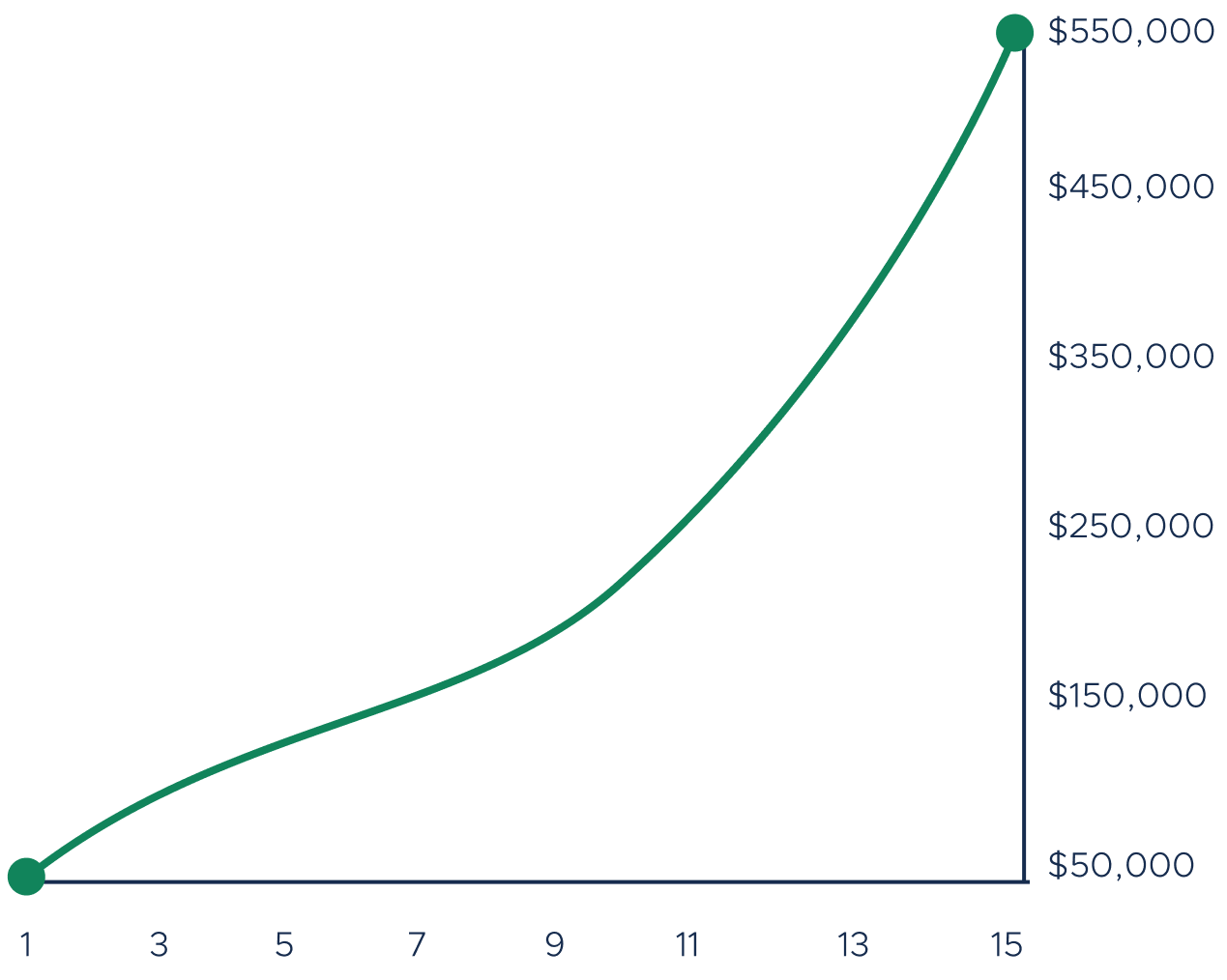
This portfolio is suitable for investors who are seeking maximum growth with a high risk tolerance and long term horizon.
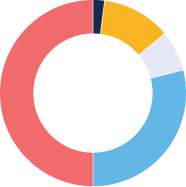
This portfolio focuses on high-performing sectors and dynamic market opportunities to minimize compounding potential over the long term.
It prioritises aggressive exposure to equities with minimal defensive allocation, allowing investors to capture strong market trends.
This portfolio is suitable for investors who are seeking maximum growth with a high risk tolerance and long term horizon.
Disclaimer:
Growthfront Pty Ltd is a Corporate Authorised Representative (No. 1302922) of Geosmith Partners AFSL 700062 ABN 86 684 092 135. Any advice contained in this website is general advice only and has been prepared without considering your objectives, financial situation or needs except in circumstances where you have provided your personal financial details via our online application process and received a Statement of Advice from us. Before making any investment decision we recommend that you consider whether it is appropriate for your situation and seek appropriate taxation and legal advice. Please read our Financial Services Guide before deciding whether to obtain financial services from us




